

Shop

  • Oemleria cerasiformis Size/Zone: Bare root 12 - 18"
    Sun: Prefers full sun, can tolerate sun or some shade Soil Conditions: Dry to moist soil Special Uses:  Supports pollinators, birds, hummingbirds One of the first plants to bloom (Jan or Feb).  White flowers yield small purple edible plums.  Highly sought by birds. (Also known by the common name Indian Plum.)
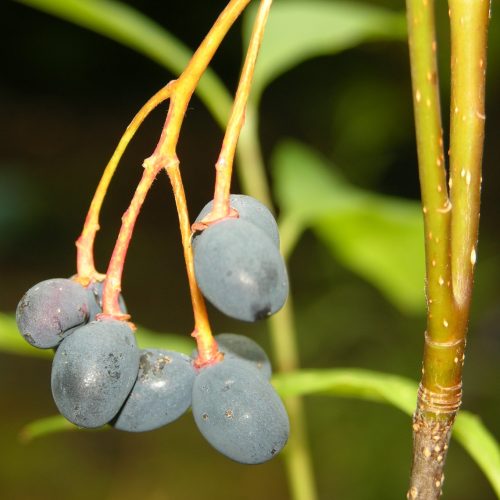
    Habitat Notes: Prefers moist, but well drained sites along streambanks.  Will grow in sun or shade. Plant in understory of mature forest or in open field and it should fare well unless it gets too dry. Suckering habit. ID Notes:  Upright, multi-stemmed. Drooping, white flower clusters will open in early spring before leaves open. Leaves are oblong and soft. Produces cherry like fruit which starts out orange and turns reddish-purple. Can be considered a small tree.  
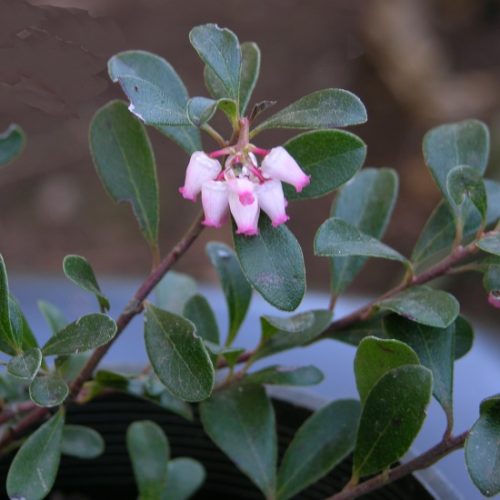
  • Arctostaphylos uva-ursi Size/Seed Zone:Potted Plant
    Sun: Prefers full sun, can tolerate sun and some shade Soil Conditions: Prefers well drained soils Special Uses:  Birds, wildlife, forage, cover, food, bank stabilization Attractive groundcover usually less than 12” tall with dark green leaves and red, edible, but tasteless berries.  
  • Lupinus polyphyllus Size/Seed Zone: Potted Plant Large palmate leaves and showy white-pink to purple-blue pea-like flowers on stalks. Blooms May – August. USDA Plant Database
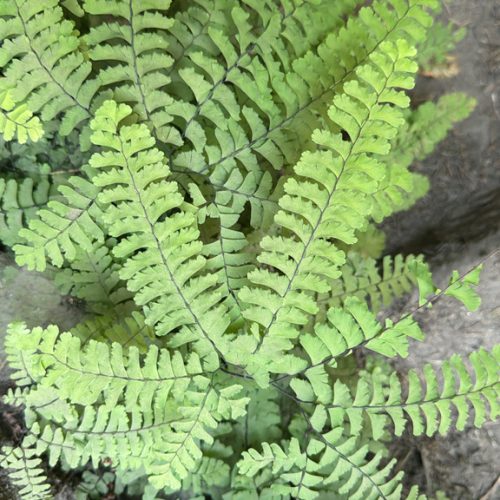
  • Adiantum aleuticum Size/Seed Zone: Potted Plant Delicate foliate on black stems; grows best in wet soil USDA Plant Database Wildflower Native Plant Database
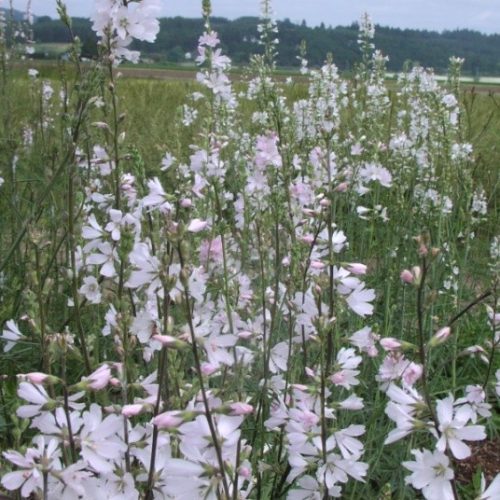
  • Sidalcea campestris Size/Seed Zone: Potted Plants Grows in dry grassy habitats and open areas.  Blooms in midsummer and flowers can vary from pale pink to white.  Up to 4 feet tall, nectar source for butterflies USDA Plant Database
    Wildflower Native Plant Database Photo Credits: Amy Bartow
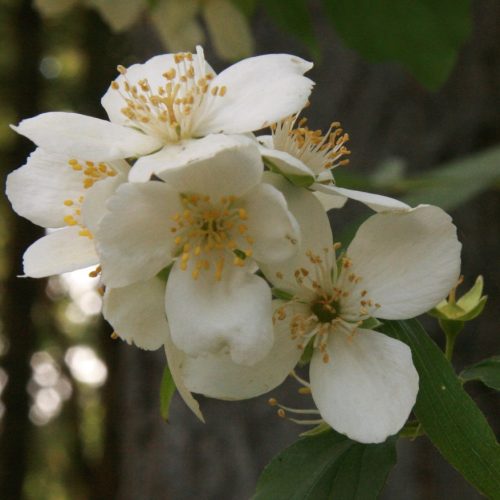
  • Philadelphus lewisii Size/Seed Zone: Bare root 12 - 18"
    Sun: Partial Sun/Shade Soil Conditions: Moist soils, wet areas Special Uses: Supports pollinators, birds, hummingbirds Clusters of aromatic white flowers at branch ends that attract bees and butterflies in late spring to mid-summer. Erosion control.
    Habitat Notes: Occurs in a wide range of habitats from forested settings to rocky, dry sites. Filtered sunlight is ideal. Somewhat difficult to establish as a seedling, but fairly hardy after age 3 or so. ID Notes:  Erect, loosely branched shrub with simple white fragrant flowers during the summer. Leaves are tender and egg shaped with fine teeth along the edges.
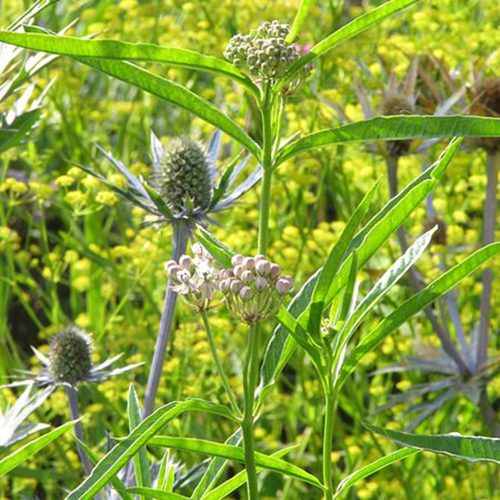
  • Asclepias fascicularis Size/Seed Zone:Potted Plant Tall stems support a burst of intricate white to dusky-rose flowers. The long-leaved foliage is a pleasant brilliant green. Host for Monarch butterfly. USDA Plant Database
    Wildflower Native Plant Database Photo Credits: Thayne Tuason, Björn S
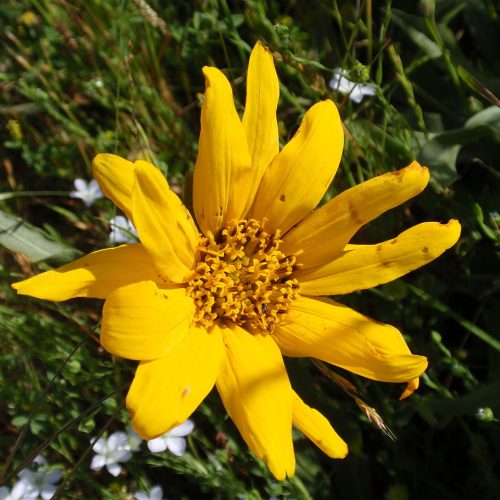
  • Wyethia angustifolia Size/Seed Zone: Potted Plant Very showy, large sunflower type flowers grow from thick masses of “mule eared” leaves. Large seeds attract goldfinches in summer. Does well in open full sun areas. USDA Plant Database
    Wildflower Native Plant Database Photo Credits: Tom Hilton
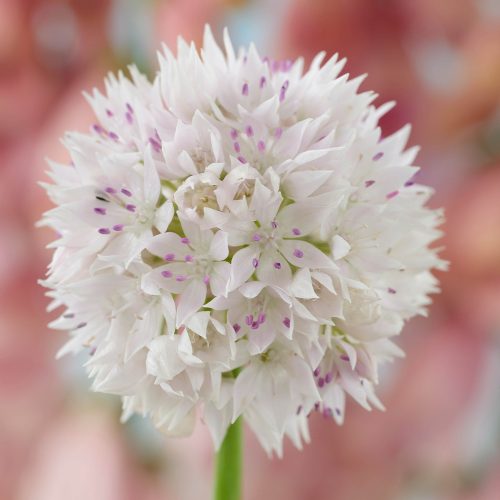
  • Allium amplectens Size/Seed Zone: Potted Plant

    An ornamental perennial bulb with spherical flower heads carrying many white florets that can grow up to 20 inches tall when it's flowering and prefers moist, well drained soil.

    USDA Plant Database
    Photo Credits: Wikimedia Commons
  • Abies procera Size/Seed Zone: Bare root 12"-18"- 251 Sun: Prefers Full Sun, can tolerate sun or some shade Soil Conditions:Prefers deep, rich soils Special Uses: Christmas Trees, wildlife, forage, cover, food Largest true fir, flat needles in two distinct horizontal rows, cones sit upright on branches. Good food and cover for wildlife.  
  • Allium cernuum Size/Seed Zone: Potted Plant Grassy leaves with strong onion odor. Ornamental nodding head of flowers which vary from lavender to purple. Blooms July-August in dry open meadows and woodlands. USDA Plant Database
    Photo Credits: The Wild Garden, www.nwplants.com
  • Rosa nutkana Size/Seed Zone: Bare root 12 - 18"
    Sun: Prefers full sun Soil Conditions: Dry, well drained sites Special Uses:  Supports pollinators, birds, hummingbirds Forms dense clumps with large pink flowers.  Fruit eaten by birds and small mammals.  Browse for deer and elk. Very hardy.
    Habitat Notes: Found in a variety of habitats from open, dry sites to boggy wet areas. Prefers full sun and some moisture to thrive. Prolific spreader. ID Notes:  Straight thorns on stem. Small serrated leaves and pink flowers in early summer. Keeps rose hips through winter.  
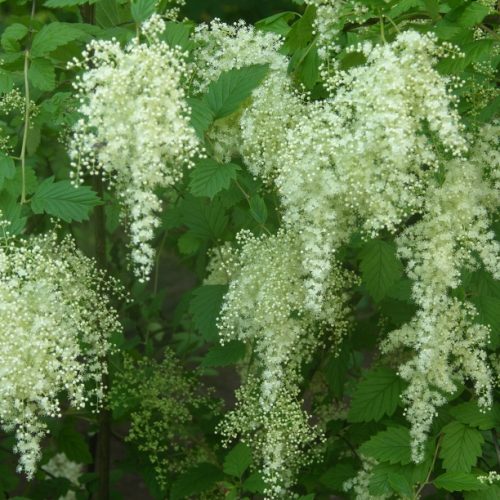
  • Holodiscus discolor Size/Seed Zone: Bare root 12-18"
    Sun: Partial Sun/Shade Soil Conditions: Dry to moist site Special Uses:  Supports pollinators, birds Multi-stemmed adaptable shrub with persistent frothy white blooms that attract pollinators and provide good cover for birds.
    Habitat Notes: Found in moist forested sites in the understory and along edges. Somewhat difficult to establish when young, but hardy in later years. ID Notes:  Upright multi-stemmed shrub. Plumes of white flowers in mid- summer. Flowers quickly turn brown and persist into fall. Leaves are somewhat similar to a tiny oak leaf with a grayish cast.  
  • Out of stock
    Lonicera ciliosa Size/Seed Zone: Bare root 10 - 20' Sun: Full sun to partial shade Soil Conditions: Moist or dry soil Special Uses: Supports hummingbirds, pollinators, birds, wildlife forage Especially beloved by bumblebees and hummingbirds; can grow well on a trellis in a home garden
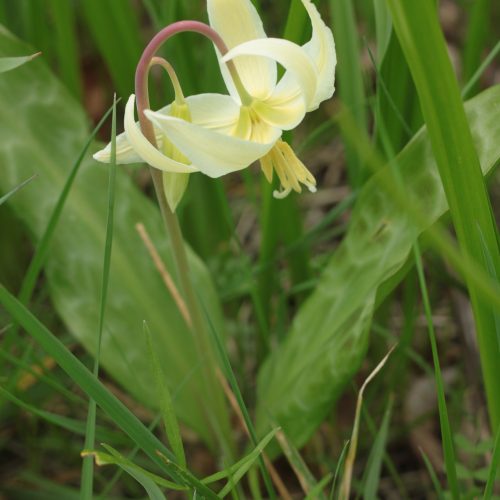
  • Erythronium oregonum Size/Seed Zone:Potted Plant

    A bulbous perennial with cream/white flowers, one per stem that prefers moist, well drained soil and partial shade.

    Photo Credits: Wikimedia Commons
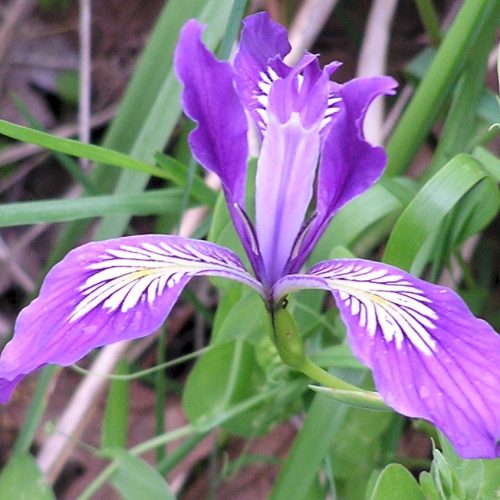
  • Iris tenax Size/Seed Zone: Potted Plant Perennial herb that resembles commercial iris varieties.  Grows in clumps with purple to blue flowers.  Foliage makes a nice border.  Tolerates a range of soil conditions.  Sun to part shade.
    USDA Plant Database
    Wildflower Native Plant Database Photo Credits: The Wild Garden, www.nwplants.com
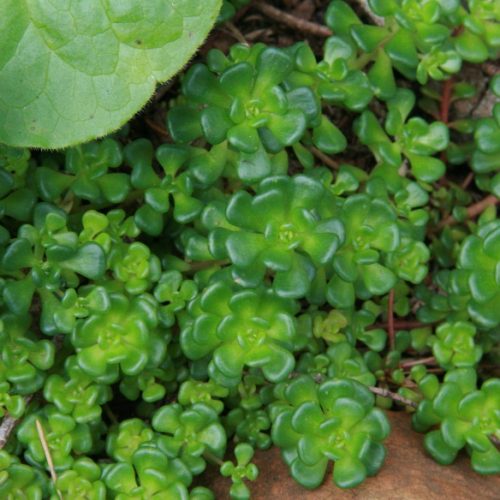
  • Sedum oreganum Size/Seed Zone: Potted Plant Easy to grow creeping groundcover which does well in hot, dry sites with poor soil. Evergreen tiny jade like leaves with yellow starry flowers in summer. Excellent for pollinators, especially native bees. USDA Plant Database
    Wildflower Native Plant Database Photo Credits: The Wild Garden, www.nwplants.com
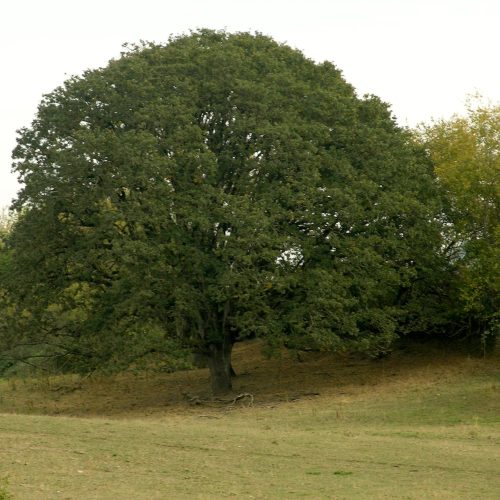
  • Quercus garryana Size/Seed Zone: Bare root 12 - 18"
    Sun: Prefers full sun Soil Conditions: Well drained soils Special Uses:  Timber, supports pollinators, birds, hummingbirds Forms wide spreading branches and is slow growing. Important wildlife species. Habitat Notes: Can thrive in a variety of sites from dry, exposed slopes to moist riparian areas.  Needs full sun and plenty of space.  Do not plant with conifers or fast growing hardwoods. ID Notes:  Leaf is distinctly lobed and shiny.  Bark is grey. The county’s only native oak. The only local tree that produces acorns.
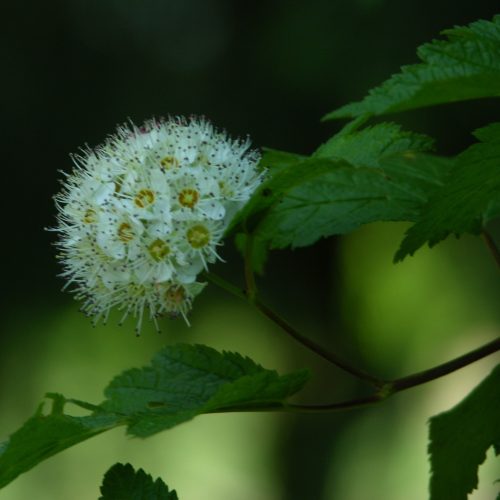
  • Physocarpus capitatus Size/Seed Zone: Bare root 12 - 18"
    Sun: Full sun, can tolerate sun or some shade, or full shade Soil Conditions: Moist soils along wetlands Special Uses:  Birds Large spreading, attractive shrub with rounded clusters of white flowers. Maple like leaves, thin shredded bark.
    Habitat Notes: Prefers moist, but well drained sites along streambanks.  Can take full sun exposure well. One of the hardiest shrubs in the county. A riparian “workhorse”. ID Notes:  Maple like leaves. Orange peeling bark as the shrub matures. White flower clusters in early summer turning to clusters of red fruit in late summer.  
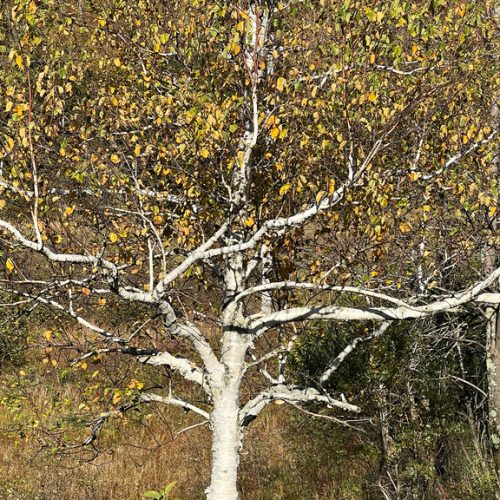
  • Betula papyrifera Size/Zone: Bare root 50-70'
    Sun: Prefers full sun Soil Conditions: Moist but well-drained, slightly acidic preferred Special Uses:  Supports bank stabilization Currently considered a possible replacement species for Oregon Ash; typically fast-growing but not long-lived
  • Populus tremuloides Size/Zone: Bare root 30-50'
    Sun: Prefers full sun Soil Conditions: Moist soils Special Uses:  Supports bank stabilization Green catkin flowers in spring on male trees; leaves appear to shake in wind; smooth bark; spreads by root runners; another possible ash replacement
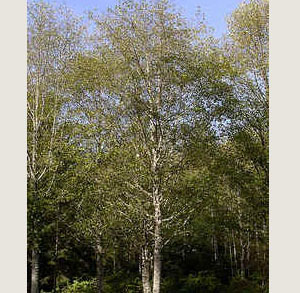
  • Alnus rubra Size/Seed Zone: Bare root 12-18"
    Sun: Prefers full sun Soil Conditions: Moist soils, wet areas Special Uses:  Timber, supports pollinators, birds, hummingbirds Good species to plant along streams to provide shade and erosion control. Brownish catkins in the spring.
    Habitat Notes: Native to the foothills and coast range mountains. Prefers gravelly over clay soils.  Prefers full sun conditions. Will be prone to moisture stress during 1st summer. Will grow 3 ft. + / year after established. ID Notes: Leaves are very coarse and deeply veined with slightly serrated edges. Catkins also distinctive. Bark is smooth, light gray and often white with lichens.
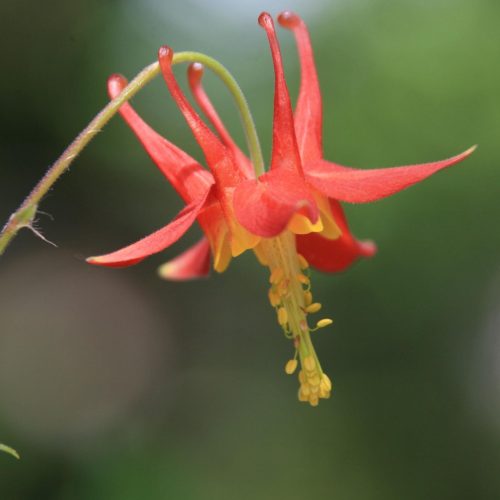
  • Aquilegia formosa Size/Seed Zone: Potted Plant Erect perennial herb (to 3’) with soft foliage and ornate drooping red to yellow flowers.  Likes moist, open to partially shaded sites in the forest or in flower beds.
    USDA Plant Database
    Wildflower Native Plant Database Photo Credits: The Wild Garden, www.nwplants.com
  • Sambucus racemosa Size/Zone: BR 12 - 24" Sun: Full sun, can tolerate sun or some shade, full shade
    Soil Conditions: Best on well drained soils Special Uses:  Supports pollinators, birds, hummingbirds Does well on stream banks, produces white creamy flowers between April and July. Red berries should be prepared to be considered edible.
Go to Top