-
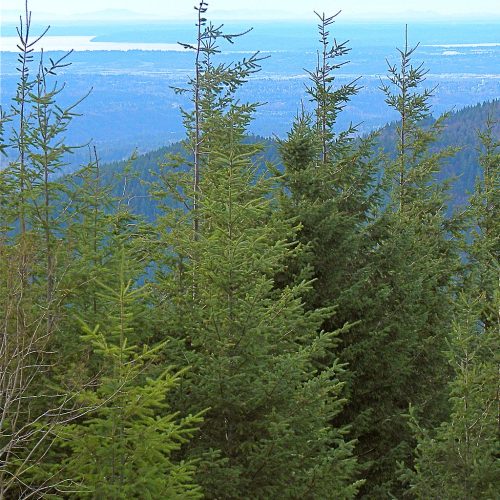 Pseudotsuga menziesii Size/Seed Zone: Bare root 12"- 18" / 251 Sun: Prefers Full Sun Soil Conditions: Grows on all but wettest soil Special Uses: Timber, supports pollinators, Birds Oregon’s state tree can live over 1,000 years. Thick bark enables it to survive moderate fire. Fast growing, great for wind break. Habitat Notes: A true timber tree found in both the Coast & Cascade ranges. Prefers moist, but well-drained soils. Do not plant this in heavy clay soils! It may survive & grow initially, but will start to die as the roots reach into the water table. Needs full sun exposure. ID Notes: Lower branches droop while upper branches swoop up. Soft pliable needles in a radial arrangement around the stem. Buds are oval-conical with a pointed apex.
 -
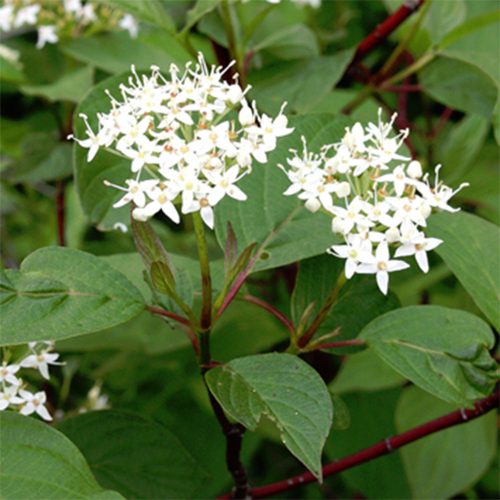 Cornus sericea Size/Seed Zone: Bare root 12 - 18"Sun: Full sun, can tolerate sun or some shade, or full shade Soil Conditions: Moist soil along wetlands Special Uses: Supports pollinators, birds, hummingbirds, wildlife, forage, cover, food, bank stabilization Attractive red stems with white flower clusters that develop into waxy white berries. Fast growing.Habitat Notes: Found in wet to moist areas, along streambanks & swamps. Also, in forested areas. Can tolerate winter flooding conditions. Persists in the same habitat as willow, but can survive drought better than willow. ID Notes: Very full, spreading shrub. Width equal to height. Red stems are very visible during winter when it loses it’s leaves. In summer it has fuzzy white flower clusters which develop into waxy white berries. Leaves are distinctly veined.
 -
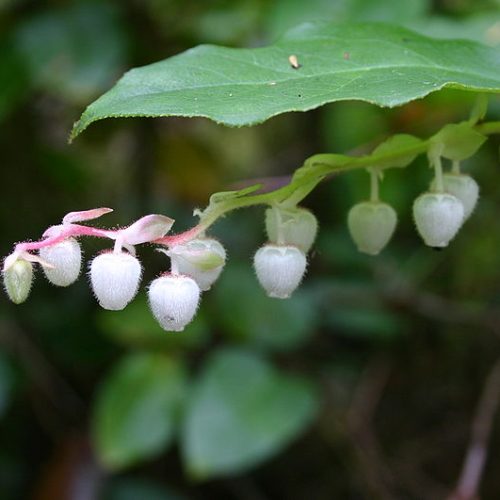 Gaultheria shallon Size/Seed Zone: PottedSun: Full sun, can tolerate sun or some shade, or full shade Soil Conditions: Well drained soils Special Uses: Supports pollinators, birds Dark green, lustrous leaves, white or pink flowers after establishment. Good forest understory species.Habitat Notes: Will grow in a variety of settings, but typically found in a conifer forest understory. Forms thickets and can be invasive in a garden setting. ID Notes: Large green leathery leaves on reddish stems. Flowers are clusters of drooping white to pinkish flowers. Berries are bluish black color and are edible. One of the few local evergreen shrubs.




Quick Links
GET THE LATEST NEWS
Sign up to receive news & info on upcoming events!
© Yamhill Soil & Water Conservation District. All Rights Reserved. Designed by Nimbl Inc