-
Out of stock
Geranium oreganum Size/Seed Zone: Potted Plant This is a great alternative to non-native geraniums; provides a bright pop of pink in the summer and has lovely foliage USDA Plant Database Wildflower Native Plant Database -
Out of stock
Adiantum aleuticum Size/Seed Zone: Potted Plant Delicate foliate on black stems; grows best in wet soil USDA Plant Database Wildflower Native Plant Database -
Chamaenerion (Epilobium) angustif Size/Seed Zone: Potted Plant Pink spiked flowers in summer; grows after burns; spreads vigorously by seed USDA Plant Database Wildflower Native Plant Database -
Out of stock
Lonicera ciliosa Size/Seed Zone: Bare root 10 - 20' Sun: Full sun to partial shade Soil Conditions: Moist or dry soil Special Uses: Supports hummingbirds, pollinators, birds, wildlife forage Especially beloved by bumblebees and hummingbirds; can grow well on a trellis in a home garden -
Out of stock
Populus tremuloides Size/Zone: Bare root 30-50'Sun: Prefers full sun Soil Conditions: Moist soils Special Uses: Supports bank stabilization Green catkin flowers in spring on male trees; leaves appear to shake in wind; smooth bark; spreads by root runners; another possible ash replacement -
Out of stock
Gaillardia aristata Size/Seed Zone: Potted Plant Lovely plant for home gardens, does well in sunny areas, great for pollinators. USDA Plant Database Wildflower Native Plant Database -
Out of stock
Penstemon ovatus Size/Seed Zone: Potted PlantBroadleaf Penstemon is a deer-resistant wildflower with bright purplish-blue flowers. It is long-lived and attracts many native pollinators, including bumblebees.
USDA Plant DatabasePhoto Credits: Wikimedia Commons -
Penstemon Richardsonii Size/Seed Zone: Potted PlantRichardson's Penstemon is a deer-resistant wildflower with bright purplish-pink flowers. It is long-lived and attracts many native pollinators, including hummingbirds.
USDA Plant DatabasePhoto Credits: Wikimedia Commons -
Lupinus rivularis Size/Seed Zone: Potted PlantRiverbank Lupine has large, palmate leaves and showy, pea-like flowers. As the name suggests, it grows well in riparian areas and provides some erosion control.
USDA Plant DatabasePhoto Credits: Wikimedia Commons -
Grindelia integrifolia Size/Seed Zone: Potted PlantA perennial with branched stems and, from early summer to fall, has yellow flower heads. It grows between 8 inches and 3 feet tall.
USDA Plant Database Wildflower Native Plant DatabasePhoto Credits: Wikimedia Commons -
Allium amplectens Size/Seed Zone: Potted PlantAn ornamental perennial bulb with spherical flower heads carrying many white florets that can grow up to 20 inches tall when it's flowering and prefers moist, well drained soil.
USDA Plant DatabasePhoto Credits: Wikimedia Commons -
Asarum caudatum Size/Seed Zone: Potted Plant This mat-forming groundcover grows less than 1 ft. tall but up to 3 ft. wide. The main stem creeps along the ground with two leaves growing from each stem node. The large, heart-shaped, dark-green, persistent leaves hide the unusual, fuzzy, reddish-brown to greenish-yellow flowers borne from lower leaf axils. The bizarre brown-purplish to yellowish or greenish flower is hidden by heart-shaped leaves growing in pairs from trailing, rooting stems that form dense patches. USDA Plant DatabasePhoto Credits: Walter Siegmund -
Tree Protector Tube with Bamboo Stake Set - Bundle of Ten
Size: 4” x 24”
Constructed of tough yet flexible UV inhibited polyethylene and polypropylene material. These mesh tubes protect young seedlings from nibbling intruders. Allow young seedlings to grow to a point of establishment.
For best results, install tubes at time of planting and cover entire seedling. Allow 10” to 12” of tubing to extend above tree to compensate for later growth and tree top protection. Install bamboo stake for support.
-
Brodiaea elegans Size/Seed Zone: Potted Plant An umbel of several violet or blue-violet, funnel-shaped flowers at top of a leafless stalk with a few long, very narrow basal leaves that are usually withered by flowering time. Mounds of narrow leaves, 4-16 in. in height, arise in late winter to early spring and brown when the flower buds have swollen. The flowering stem is about the same height as the leaves, bearing a terminal umble of small, tubular, violet-pink flowers. The intensity of color and number of flowers varies within the species. -
A unique balance of annuals and perennials (native to the Willamette Valley) that will provide season long bloom for multiple years! This mix contains species that are recommended by the Xerces Society and the Natural Resources Conservation Service to attract a diverse array of native pollinators. This mix performs well on upland and seasonally wet areas (some species will not tolerated standing water for weeks at a time in winter). A small amount of native bunchgrass has been added to provide structure and habitat for ground nesting bees. 10 grams covers 100sqft This mix is suitable for Oregon's Willamette Valley north through western Washington. -
Asclepias speciosa Size/Seed Zone: Potted Plant Beautiful scent, 2-tiered flower with dusky rose petals in summer. Leaves are a gray-green. Essential host for Monarch butterfly. USDA Plant DatabasePhoto Credits: peganum, Matt Lavin -
Out of stock
Sambucus racemosa Size/Zone: BR 12 - 24" Sun: Full sun, can tolerate sun or some shade, full shadeSoil Conditions: Best on well drained soils Special Uses: Supports pollinators, birds, hummingbirds Does well on stream banks, produces white creamy flowers between April and July. Red berries should be prepared to be considered edible. -
Triteleia hyacinthina Size/Seed Zone: Potted Plant A lily with clusters of papery white blooms on top of thin stems that resemble an onion. Often found in open meadows that tend to be dry during the summer. USDA Plant DatabasePhoto Credits: Stan Shebs, Walter Siegmund -
Out of stock
Allium cernuum Size/Seed Zone: Potted Plant Grassy leaves with strong onion odor. Ornamental nodding head of flowers which vary from lavender to purple. Blooms July-August in dry open meadows and woodlands. USDA Plant DatabasePhoto Credits: The Wild Garden, www.nwplants.com -
Asclepias fascicularis Size/Seed Zone:Potted Plant Tall stems support a burst of intricate white to dusky-rose flowers. The long-leaved foliage is a pleasant brilliant green. Host for Monarch butterfly. USDA Plant DatabaseWildflower Native Plant Database Photo Credits: Thayne Tuason, Björn S -
Dodecatheon hendersonii Size/Seed Zone:Potted Plant Thick, egg shaped basal leaves with erect stem that has a purple to magenta flower that appears to be turned inside out. Also referred to as mosquito bills or sailor caps. Found in cool, moist shady areas. USDA Plant DatabasePhoto Credits: The Wild Garden, www.nwplants.com -
Viola adunca Size/Seed Zone: Potted Plant Low-growing, triangular leaves and bright blue to blue-violet flowers. Thrives in a variety of sun conditions as long as it has ample moisture. Host plant for the threatened Oregon Silverspot Butterfly. USDA Plant DatabaseWildflower Native Plant Database Photo Credits: The Wild Garden, www.nwplants.com -
Out of stockLupinus polyphyllus Size/Seed Zone: Potted Plant Large palmate leaves and showy white-pink to purple-blue pea-like flowers on stalks. Blooms May – August. USDA Plant Database
-
Pseudotsuga menziesii Size/Seed Zone: Bare root 12"- 18" / 251 Sun: Prefers Full Sun Soil Conditions: Grows on all but wettest soil Special Uses: Timber, supports pollinators, Birds Oregon’s state tree can live over 1,000 years. Thick bark enables it to survive moderate fire. Fast growing, great for wind break. Habitat Notes: A true timber tree found in both the Coast & Cascade ranges. Prefers moist, but well-drained soils. Do not plant this in heavy clay soils! It may survive & grow initially, but will start to die as the roots reach into the water table. Needs full sun exposure. ID Notes: Lower branches droop while upper branches swoop up. Soft pliable needles in a radial arrangement around the stem. Buds are oval-conical with a pointed apex. -
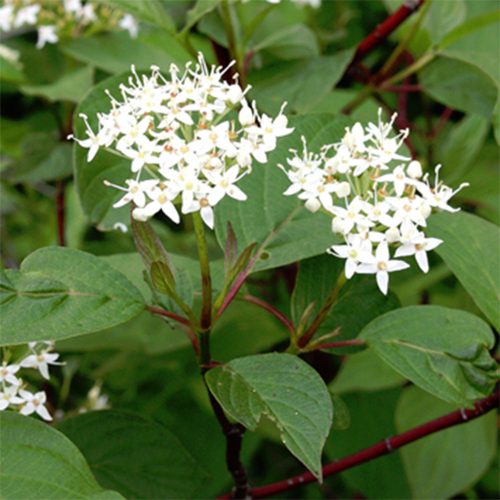
Abies procera Size/Seed Zone: Bare root 12"-18"- 251 Sun: Prefers Full Sun, can tolerate sun or some shade Soil Conditions:Prefers deep, rich soils Special Uses: Christmas Trees, wildlife, forage, cover, food Largest true fir, flat needles in two distinct horizontal rows, cones sit upright on branches. Good food and cover for wildlife. -
Out of stock
Lilium columbianum Size/Seed Zone: Potted Plant Charming lily produces hairless flowering stems 3 to 4’ tall revealing one to 20 drooping orange flowers on long pedicels in late spring and summer. Grows in full sun to part shade, moist soil with good organic content. Good in the woodland garden setting, grows naturally in meadows, thickets and open woods. Great for hummingbirds. USDA Plant DatabasePhoto Credits: The Wild Garden, www.nwplants.com -
Trillium ovatum Size/Zone: Potted Plant Sun: Partial Sun/Shade Soil Conditions: Cool, moist soilsHabitat Notes: This trillium produces stark white flowers in early spring (March to May). Grows in moist to wet woods, stream banks and shaded open areas. ID Notes: Genus comes from the Latin trillium meaning in 3s, referring to the leaves, petals, sepals and stigmas. -
Sidalcea virgata Size/Seed Zone: 5" Pot Herbaceous perennial with pink to magenta five-petaled flowers on tall open wands (late spring-mid-summer). Attracts butterflies. A primary nectar source for federally threatened Fender’s blue butterflyUSDA Plant DatabasePhoto Credits: The Wild Garden, www.nwplants.com -
Sedum oreganum Size/Seed Zone: Potted Plant Easy to grow creeping groundcover which does well in hot, dry sites with poor soil. Evergreen tiny jade like leaves with yellow starry flowers in summer. Excellent for pollinators, especially native bees. USDA Plant DatabaseWildflower Native Plant Database Photo Credits: The Wild Garden, www.nwplants.com -
Aquilegia formosa Size/Seed Zone: Potted Plant Erect perennial herb (to 3’) with soft foliage and ornate drooping red to yellow flowers. Likes moist, open to partially shaded sites in the forest or in flower beds.USDA Plant DatabaseWildflower Native Plant Database Photo Credits: The Wild Garden, www.nwplants.com -
Out of stock
Iris tenax Size/Seed Zone: Potted Plant Perennial herb that resembles commercial iris varieties. Grows in clumps with purple to blue flowers. Foliage makes a nice border. Tolerates a range of soil conditions. Sun to part shade.USDA Plant DatabaseWildflower Native Plant Database Photo Credits: The Wild Garden, www.nwplants.com -
Wyethia angustifolia Size/Seed Zone: Potted Plant Very showy, large sunflower type flowers grow from thick masses of “mule eared” leaves. Large seeds attract goldfinches in summer. Does well in open full sun areas. USDA Plant DatabaseWildflower Native Plant Database Photo Credits: Tom Hilton -
Sidalcea campestris Size/Seed Zone: Potted Plants Grows in dry grassy habitats and open areas. Blooms in midsummer and flowers can vary from pale pink to white. Up to 4 feet tall, nectar source for butterflies USDA Plant DatabaseWildflower Native Plant Database Photo Credits: Amy Bartow -
Solidago canadensis Size/Seed Zone: Potted Plant Full sun, dry to moist soil are requirements for this late summer bloomer. 2 to 5’ tall by 3’, foliage gives way to clusters of showy yellow flowers utilized by beneficial insects, butterflies, birds, and other pollinators. Found naturally in moist meadows, open woods & roadsides. A great addition to a garden, good cut flowers.USDA Plant DatabaseWildflower Native Plant Database Photo Credits: The Wild Garden, www.nwplants.com and Wikimedia Commons -
Aruncus dioicus Size/Seed Zone: Potted PlantDense showy plant with feathery clusters of cream colored flowers that appear in May through mid-July. May reach up to 6 feet tall and prefers filtered sun along forest edges.USDA Plant DatabaseWildflower Native Plant Database Photo Credits: The Wild Garden, www.nwplants.com, Walter Siegmund, Georges Jansoone -
Blechnum spicant Size/Seed Zone: Potted Plant Medium sized evergreen preferring shade and moist soils. The ladder-shaped fronds form a basal rosette from which the newest fronds shoot straight up, forming a central vertical grouping.USDA Plant DatabaseWildflower Native Plant Database Photo Credits: The Wild Garden, www.nwplants.com -
Dicentra formosa Size/Seed Zone: Potted Plant Fern like perennial (1ft. tall) with pinkish-purple heart shaped flowers forming clusters. Prefers moist, shady conditions in forests or along streams or among other garden plants.USDA Plant DatabaseWildflower Native Plant Database Photo Credits: The Wild Garden, www.nwplants.com -
Fragaria chiloensis Size/Seed Zone: Potted Plant Evergreen perennial, 4” tall 3’ wide. White flowers spring to summer; edible fruit for wildlife, spreads vigorously by runners & is easy to remove or divide for propagation. Prefers sun to part shade, well drained soils & supports birds and beneficial insects. Great ground cover.USDA Plant DatabaseWildflower Native Plant Database Photo Credits: The Wild Garden, www.nwplants.com -
Delphinium trolliifolium Size/Seed Zone:Potted Plant Large shiny basal leaves with smaller leaves near flower. Flower is a vivid purplish blue with white upper petals in the center. Blooms in early summer and does best in semi-shaded woodlands. It is toxic to livestock when ingested. USDA Plant DatabaseWildflower Native Plant Database Photo Credit: Bransford, W.D. and Dolphia -
Spiraea douglasii Size/Seed Zone: Bare root 12 - 18" Sun: Full sun, can tolerate sun or some shade, Soil Conditions: Wet to moist soils Special Uses: Supports pollinators Erect leggy shrub producing pinkish purple flower blooms during July. Attractive ornamental. Great for pollinators.Habitat Notes: Grows in full sun wet areas including wetlands, swamps, and streambanks. ID Notes: Rounded shrub with distinct plumes of lavender-pink flowers in the summer. Flower plumes dry and persist into the winter. Leaves are oval with serrated edges. -
Acer circinatum Size/Seed Zone: Bare root 12 - 18" Sun: Full sun, can tolerate sun or some shade, or full shade Soil Conditions: Moist soils Special Uses: Supports pollinators, birds, hummingbirds Attractive fall colors. Suitable for shade, ornamental, or forest under-story plant.Habitat Notes: Forest understory species. Occurs where organic material is high and there is moisture most of the year. Can tolerate full sun as long as there’s moisture in the roots. Pioneer species in disturbed areas. ID Notes: Numerous branches that spread in all directions. Delicate toothed leaves. Helicopter type seeds which are tinged red. Very noticeable in the fall when leaves turn orange, yellow & flaming red. -
Mahonia aquifolium Size/Seed Zone: Bare root 12 - 18"Sun: Part Shade, Shade Soil Conditions: Dry Special Uses:Habitat Notes: Common in dry, open sites often with shallow, rocky soils. Will also do fine in moist areas with good drainage. ID Notes: Leaves look like holly. Sharp on the points of the leaves. Very glossy green. Flowers are bright yellow in spring. Forms purple berries in the summer. -
Symphoricarpos albus Size/Seed Zone:Bare root 12 - 18" Sun: Full sun, can tolerate sun or some shade Soil Conditions: Grows on dry to moist sites Special Uses: Supports pollinators, birds, hummingbirds Adaptable shrub having attractive foliage and clusters of waxy white berries that persist through winter.Habitat Notes: Grows in full to partial sun in a variety of habitats. Very adaptable and hardy. Forms clumps and spreads in hedge-like manner. Low and wide. ID Notes: Delicate oblong leaves. Pinkish small flowers in early summer which produce waxy white berries that persist through winter.