

BACKYARD HABITAT & NATURESCAPING

Habitat & Harvest

Habitat & Harvest is the District’s version of a backyard habitat, or microhabitat, program. The two goals of this program are to encourage residents to boost biodiversity and improve food security in Yamhill County. Anyone in the county can participate, no matter what type of space you have! Container gardens, backyards, front yards, sidewalk green strips, and almost anywhere else you can grow a plant, are all welcome.

Artwork including a hummingbird nectaring on a pink flower, tomatoes, and strawberries.

Four Required Actions for Habitat & Harvest Recognition:

Add Native
Plants

Invasive
Weed Management

Grow Food

Add
Wildlife
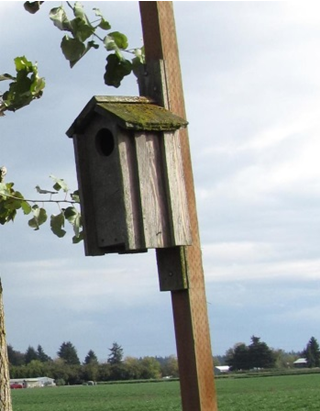
Structures

Plus Choose at Least Two from This List:

Leave
The
Leaves

Create A
Compost System

Save and 
Share Seeds

Participate In
Community Science

Donate Excess
Produce

No Mow
May

Steps to Achieving Recognition:

  • Step One: Develop an Interest

    Congrats! If you’re here, you’ve done it.

  • Step Two: Schedule a Site Visit

    District staff provide free site visits anywhere within Yamhill County. We’ll talk to you about your goals, help you identify what plants you currently have, and help you decide if this program is right for you. Contact Outreach Coordinator Brooke Karasch at [email protected] to schedule your site visit.

  • Step Three: Make a Plan

    After your site visit, hopefully you’ll have a decent idea of what invasive plants you might need to remove, native plants you might want to add, and other actions that might benefit your space. Take some time to make a plan for taking action. (There’s space in the handbook for you to lay it all out, too!)

  • Step Four: Get Started

    Now that you have a plan, it’s time for the fun part! Start tearing out those invasive species and making space for native and/or edible plants. It can be overwhelming, but don’t worry – there’s no deadline. Go at your own pace, and enjoy the process.

  • Step Five: Recognition

    Once you’ve completed the four required actions and two of the optional actions, you’re ready for recognition. You can submit photos or schedule a second site visit to get your space officially recognized.

  • Step ∞: Keep Up the Good Work!

    The work of a gardener is never done. Native plants typically require less care than others, but they do require some care. Edible gardens often have a lot of annual plants that need to be replanted each year. Keep up your hard work to maintain the wonderful space you’ve created!

Benefits of Recognition

  • A beautiful Habitat & Harvest sign to display in your space (designed by Portland artist Alyssa Garcia!)

  • A $25 coupon for the District’s annual Native Plant Sale

  • Entry into the Habitat & Harvest online group, where participants can share resources, troubleshoot issues, and come together in community

Project Ideas, Examples, & Successes

Thank You To These Funding Sources for Making This Program Possible

Got a question?
Talk to a conservationist!

We are here to connect you to the resources you need. Feel free to reach out if you have a question, concern, or want to request a site visit.

GET IN TOUCH WITH OUR TEAM OF CONSERVATION EXPERTS TODAY.