


The District has a new program geared towards home gardens and smaller spaces, called Habitat & Harvest. The two main goals of the program are to increase biodiversity through planting more native plants, and improve food security by growing edible gardens.
You might wonder why it’s important to include native plants in your small space. If it’s just a small front yard, or a balcony, or a few planters out in front of your building… Why bother? Does it even do any good with such a tiny spot?
Yes! It absolutely can make a difference.
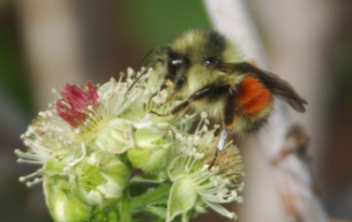
Even small spaces can contribute to habitat connectivity. Habitat connectivity is the concept of linked spaces that wildlife and plants can move through (or, at least seeds and pollen can move through, if not whole plants). This is valuable for small animals like insects, small mammals, and songbirds, that might not be able to fly straight across the whole town - they might need to stop for water, food, or shelter along the way. A lawn is a “green desert” with no resources for most animals, but a native plant garden provides hiding places, nectar, fruit or seeds, and other resources to help animals safely get from one place to another.

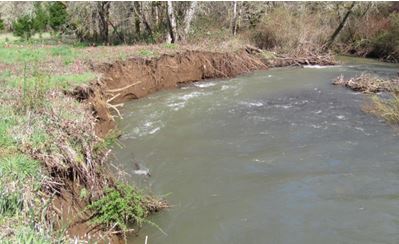
Another consideration is that small spaces can still suffer from issues that native plants can help resolve. Your backyard might be smaller than a hazelnut orchard, but could still have problems with erosion. Adding native plants, with their deep roots, could help with things like this. Or maybe you have a vegetable garden, but you’re struggling to attract enough insects to pollinate your plants. Including some native flowers will attract pollinators, which may then also stop by and pollinate your veggies. These are just a couple of examples; native plants can provide a variety of services even to a small space.


Finally, the aesthetic value of native plants remains true regardless of the size of the space. People often think native plants mean a disorganized or chaotic look, but it doesn’t have to be that way. Native plants can be maintained similarly to ornamental plants. Regular pruning will keep trees and shrubs shapely and size-appropriate, and you can always pull some stems if a particular plant spreads beyond where you’d like it. You can create a thorough planting plan to ensure each plant is placed somewhere where it will thrive, and where it will add the right texture or color to your garden. Native plants have different textures, flower colors, flower shapes, fruits, and growth patterns, all of which can add a lot to the aesthetic appeal of your space.
These are just a few reasons why you should consider including native plants in your space, no matter the size. Many native plants do just fine in containers, so even if you can’t or don’t want to plant them in the ground, you can include them!
Are you unsure which native plants might do well in your space? Reach out and chat with us! We’re happy to schedule a free site visit anywhere in Yamhill County to help you develop a planting plan. Contact Brooke Karasch at [email protected] or 971-421-3537 (call or text).