-
Out of stock
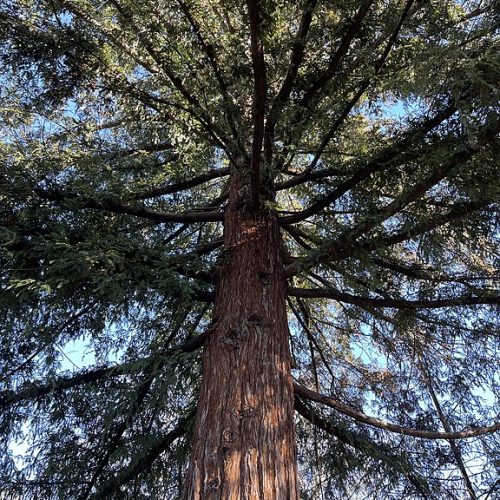 Sequoia sempervirens Size/Seed Zone: Bare root Mature Height: 200'+ Sun: Prefers full sun, can tolerate sun or some shade Soil Conditions: Moist Special Uses: Wildlife, forage, cover, food Can be used in landscape settings if irrigated or roots have access to supplemental water. Found in Southwest Oregon. USDA Plant Database Wildflower Native Plant Database Photo Credits:The Wild Garden, www.nwplants.com and Wikimedia Commons
 -
Out of stock
 Lupinus polyphyllus Size/Seed Zone: Potted Plant Large palmate leaves and showy white-pink to purple-blue pea-like flowers on stalks. Blooms May – August. USDA Plant Database
 -
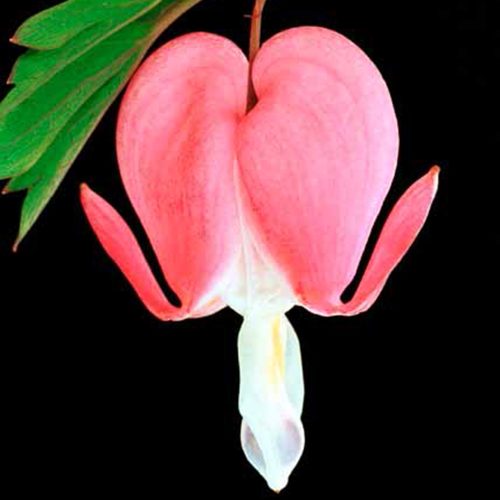 Dicentra formosa Size/Seed Zone: Potted Plant Fern like perennial (1ft. tall) with pinkish-purple heart shaped flowers forming clusters. Prefers moist, shady conditions in forests or along streams or among other garden plants.USDA Plant DatabaseWildflower Native Plant Database Photo Credits: The Wild Garden, www.nwplants.com
 -
 Blechnum spicant Size/Seed Zone: Potted Plant Medium sized evergreen preferring shade and moist soils. The ladder-shaped fronds form a basal rosette from which the newest fronds shoot straight up, forming a central vertical grouping.USDA Plant DatabaseWildflower Native Plant Database Photo Credits: The Wild Garden, www.nwplants.com
 -
Out of stock
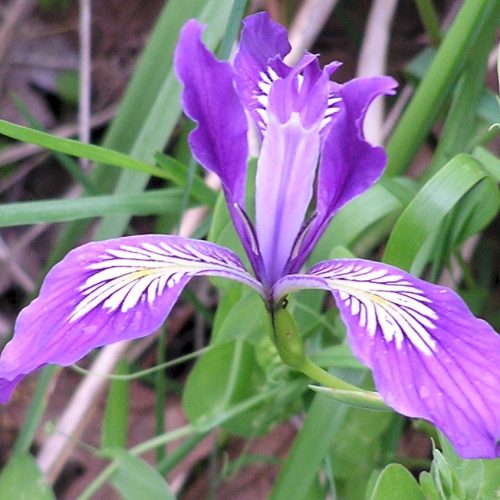 Iris tenax Size/Seed Zone: Potted Plant Perennial herb that resembles commercial iris varieties. Grows in clumps with purple to blue flowers. Foliage makes a nice border. Tolerates a range of soil conditions. Sun to part shade.USDA Plant DatabaseWildflower Native Plant Database Photo Credits: The Wild Garden, www.nwplants.com
 -
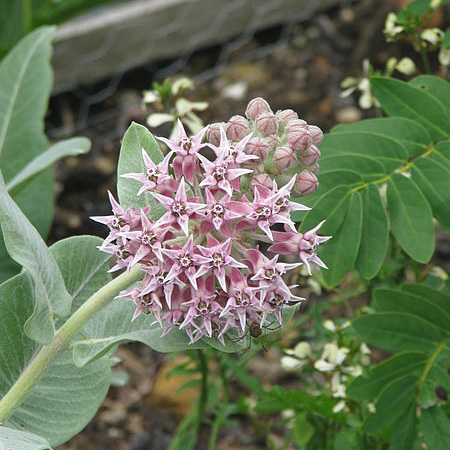 Asclepias speciosa Size/Seed Zone: Potted Plant Beautiful scent, 2-tiered flower with dusky rose petals in summer. Leaves are a gray-green. Essential host for Monarch butterfly. USDA Plant DatabasePhoto Credits: peganum, Matt Lavin
 -
Out of stock
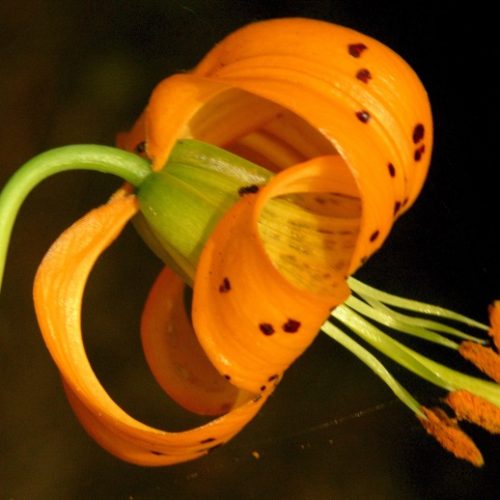 Lilium columbianum Size/Seed Zone: Potted Plant Charming lily produces hairless flowering stems 3 to 4’ tall revealing one to 20 drooping orange flowers on long pedicels in late spring and summer. Grows in full sun to part shade, moist soil with good organic content. Good in the woodland garden setting, grows naturally in meadows, thickets and open woods. Great for hummingbirds. USDA Plant DatabasePhoto Credits: The Wild Garden, www.nwplants.com
 -
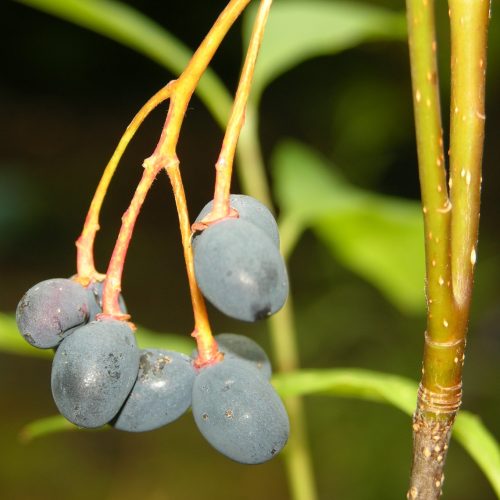 Oemleria cerasiformis Size/Zone: Bare root 12 - 18"Sun: Prefers full sun, can tolerate sun or some shade Soil Conditions: Dry to moist soil Special Uses: Supports pollinators, birds, hummingbirds One of the first plants to bloom (Jan or Feb). White flowers yield small purple edible plums. Highly sought by birds. (Also known by the common name Indian Plum.)Habitat Notes: Prefers moist, but well drained sites along streambanks. Will grow in sun or shade. Plant in understory of mature forest or in open field and it should fare well unless it gets too dry. Suckering habit. ID Notes: Upright, multi-stemmed. Drooping, white flower clusters will open in early spring before leaves open. Leaves are oblong and soft. Produces cherry like fruit which starts out orange and turns reddish-purple. Can be considered a small tree.
 -
 Asarum caudatum Size/Seed Zone: Potted Plant This mat-forming groundcover grows less than 1 ft. tall but up to 3 ft. wide. The main stem creeps along the ground with two leaves growing from each stem node. The large, heart-shaped, dark-green, persistent leaves hide the unusual, fuzzy, reddish-brown to greenish-yellow flowers borne from lower leaf axils. The bizarre brown-purplish to yellowish or greenish flower is hidden by heart-shaped leaves growing in pairs from trailing, rooting stems that form dense patches. USDA Plant DatabasePhoto Credits: Walter Siegmund
 -
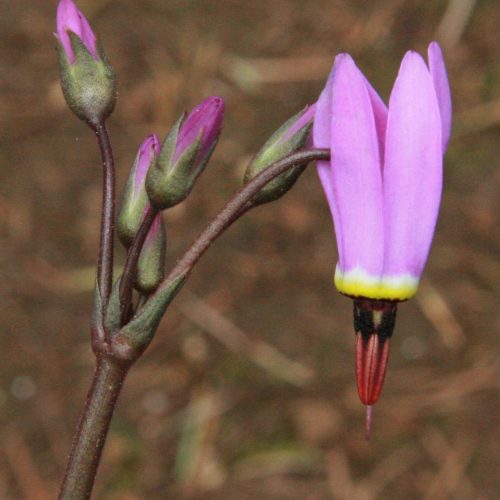 Dodecatheon hendersonii Size/Seed Zone:Potted Plant Thick, egg shaped basal leaves with erect stem that has a purple to magenta flower that appears to be turned inside out. Also referred to as mosquito bills or sailor caps. Found in cool, moist shady areas. USDA Plant DatabasePhoto Credits: The Wild Garden, www.nwplants.com
 -
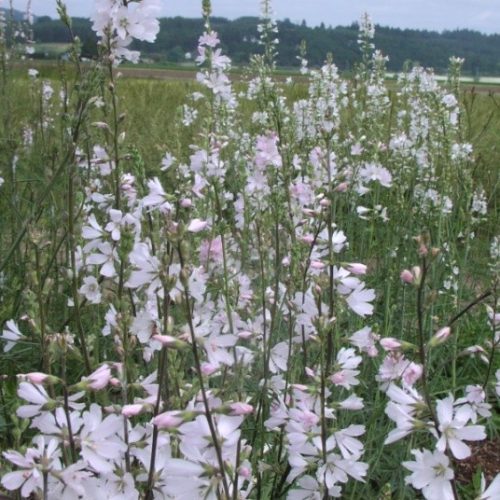 Sidalcea campestris Size/Seed Zone: Potted Plants Grows in dry grassy habitats and open areas. Blooms in midsummer and flowers can vary from pale pink to white. Up to 4 feet tall, nectar source for butterflies USDA Plant DatabaseWildflower Native Plant Database Photo Credits: Amy Bartow
 -
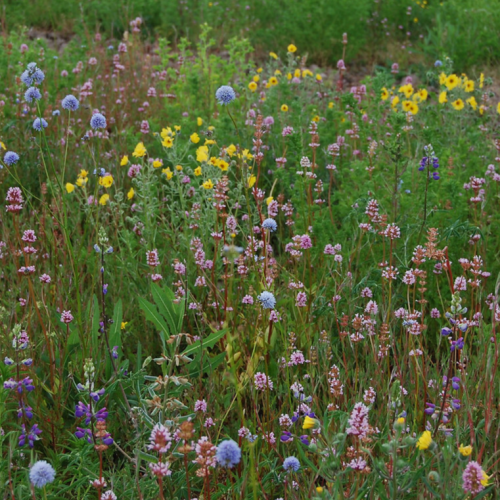 A unique balance of annuals and perennials (native to the Willamette Valley) that will provide season long bloom for multiple years! This mix contains species that are recommended by the Xerces Society and the Natural Resources Conservation Service to attract a diverse array of native pollinators. This mix performs well on upland and seasonally wet areas (some species will not tolerated standing water for weeks at a time in winter). A small amount of native bunchgrass has been added to provide structure and habitat for ground nesting bees. 10 grams covers 100sqft This mix is suitable for Oregon's Willamette Valley north through western Washington.
 -
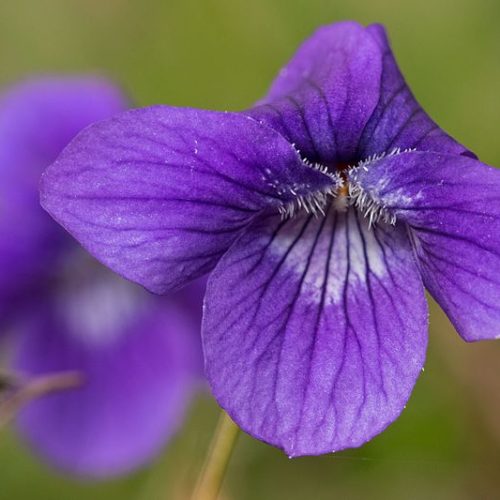 Viola adunca Size/Seed Zone: Potted Plant Low-growing, triangular leaves and bright blue to blue-violet flowers. Thrives in a variety of sun conditions as long as it has ample moisture. Host plant for the threatened Oregon Silverspot Butterfly. USDA Plant DatabaseWildflower Native Plant Database Photo Credits: The Wild Garden, www.nwplants.com
 -
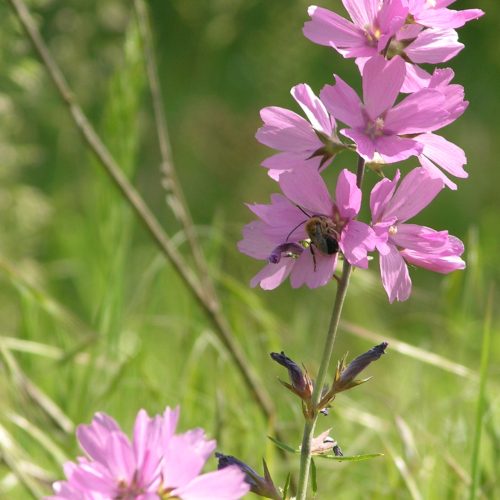 Sidalcea virgata Size/Seed Zone: 5" Pot Herbaceous perennial with pink to magenta five-petaled flowers on tall open wands (late spring-mid-summer). Attracts butterflies. A primary nectar source for federally threatened Fender’s blue butterflyUSDA Plant DatabasePhoto Credits: The Wild Garden, www.nwplants.com
 -
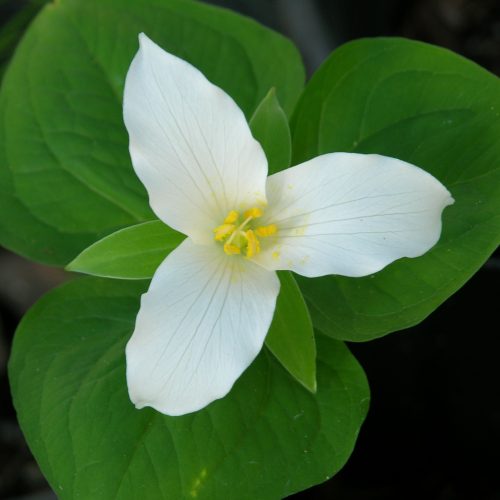 Trillium ovatum Size/Zone: Potted Plant Sun: Partial Sun/Shade Soil Conditions: Cool, moist soilsHabitat Notes: This trillium produces stark white flowers in early spring (March to May). Grows in moist to wet woods, stream banks and shaded open areas. ID Notes: Genus comes from the Latin trillium meaning in 3s, referring to the leaves, petals, sepals and stigmas.
 -
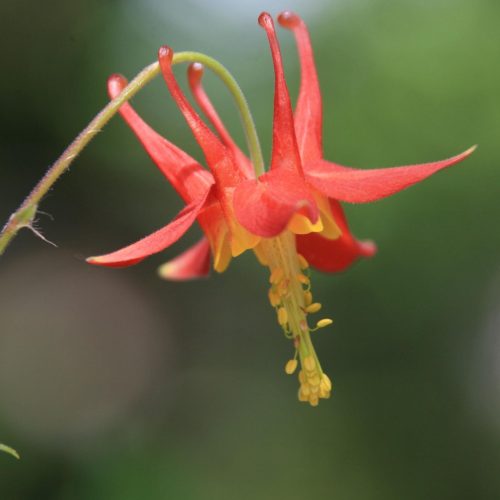 Aquilegia formosa Size/Seed Zone: Potted Plant Erect perennial herb (to 3’) with soft foliage and ornate drooping red to yellow flowers. Likes moist, open to partially shaded sites in the forest or in flower beds.USDA Plant DatabaseWildflower Native Plant Database Photo Credits: The Wild Garden, www.nwplants.com
 -
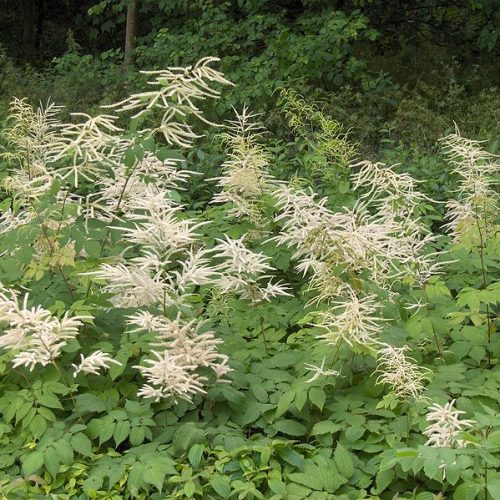 Aruncus dioicus Size/Seed Zone: Potted PlantDense showy plant with feathery clusters of cream colored flowers that appear in May through mid-July. May reach up to 6 feet tall and prefers filtered sun along forest edges.USDA Plant DatabaseWildflower Native Plant Database Photo Credits: The Wild Garden, www.nwplants.com, Walter Siegmund, Georges Jansoone
 -
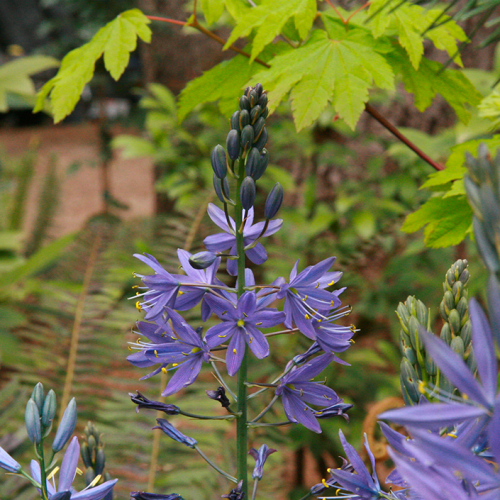 Camassia quamash Size/Seed Zone: Potted Plant
This clumping perennial with purple star shaped flowers will grow on a 12-18 inch stem. It prefers moist, well-drained soils and will do well in both high sunlight and medium sunlight environments.
Photo Credits: The Wild Garden, www.nwplants.com -
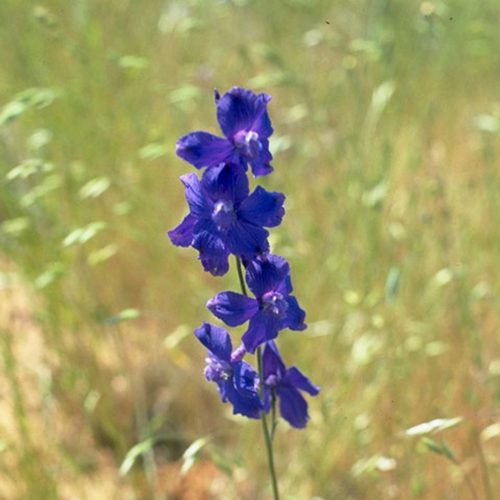 Delphinium trolliifolium Size/Seed Zone:Potted Plant Large shiny basal leaves with smaller leaves near flower. Flower is a vivid purplish blue with white upper petals in the center. Blooms in early summer and does best in semi-shaded woodlands. It is toxic to livestock when ingested. USDA Plant DatabaseWildflower Native Plant Database Photo Credit: Bransford, W.D. and Dolphia
 -
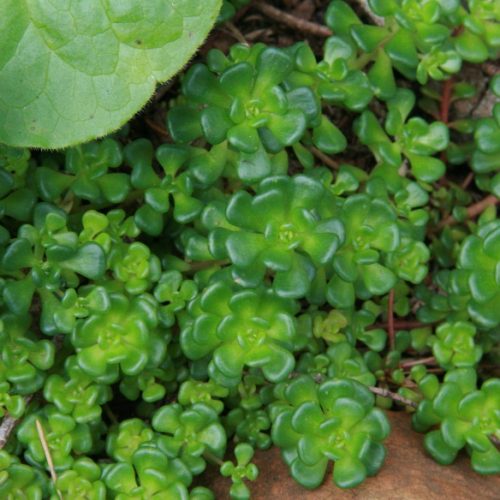 Sedum oreganum Size/Seed Zone: Potted Plant Easy to grow creeping groundcover which does well in hot, dry sites with poor soil. Evergreen tiny jade like leaves with yellow starry flowers in summer. Excellent for pollinators, especially native bees. USDA Plant DatabaseWildflower Native Plant Database Photo Credits: The Wild Garden, www.nwplants.com
 -
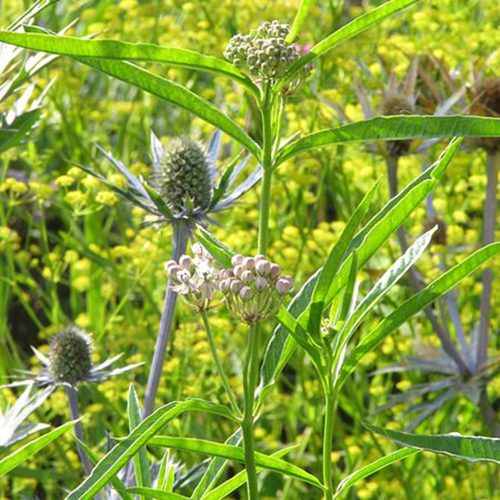 Asclepias fascicularis Size/Seed Zone:Potted Plant Tall stems support a burst of intricate white to dusky-rose flowers. The long-leaved foliage is a pleasant brilliant green. Host for Monarch butterfly. USDA Plant DatabaseWildflower Native Plant Database Photo Credits: Thayne Tuason, Björn S
 -
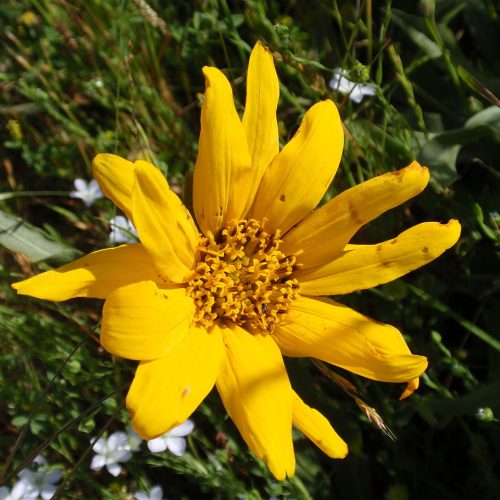 Wyethia angustifolia Size/Seed Zone: Potted Plant Very showy, large sunflower type flowers grow from thick masses of “mule eared” leaves. Large seeds attract goldfinches in summer. Does well in open full sun areas. USDA Plant DatabaseWildflower Native Plant Database Photo Credits: Tom Hilton
 -
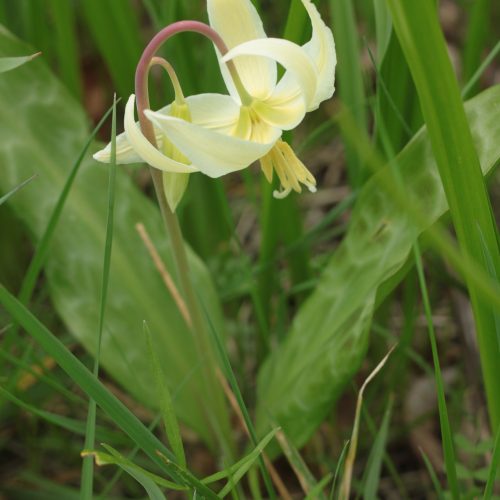 Erythronium oregonum Size/Seed Zone:Potted Plant
A bulbous perennial with cream/white flowers, one per stem that prefers moist, well drained soil and partial shade.
Photo Credits: Wikimedia Commons -
 Fritillaria affinis Size/Seed Zone: Potted Plant
This bulbous perennial with brownish-purple flowers on slender, erect stems will grow around 4 feet tall. The Chocolate Lily prefers well-drained soils with sunlight, but will do fine in a dry summer.
Photo Credits: The Wild Garden, www.nwplants.com





Quick Links
GET THE LATEST NEWS
Sign up to receive news & info on upcoming events!
© Yamhill Soil & Water Conservation District. All Rights Reserved. Designed by Nimbl Inc